Nurture with Nature

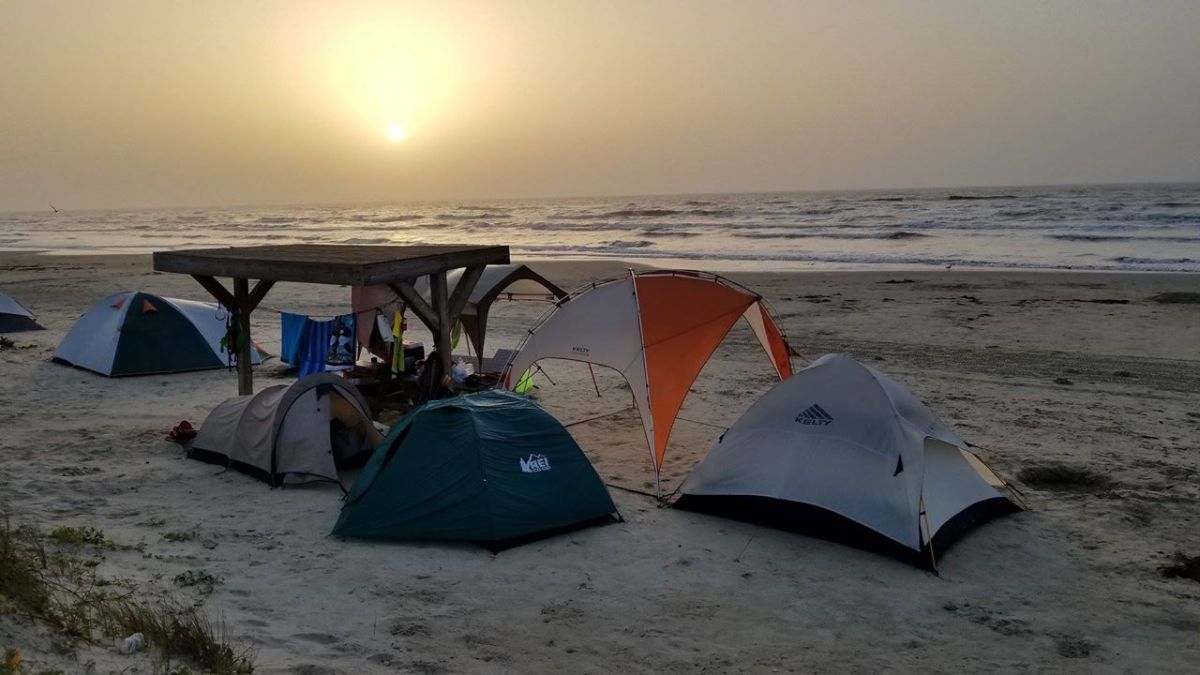
The power of nature to reduce stress is becoming increasingly recognized. I can certainly attest to this. Whenever I come back after a camping trip with family and friends, I always feel energized, calm and happy. I never grew up camping. Our family never went camping when I was growing up. My husband, who did a lot of mountain climbing and hiking in his youth was the one who got me enthusiastic about camping. No, I am not the hardcore backpacker, hike-to-a-primitive-campsite camper. I wish I had the strength to do that now. But even with car camping, just being close to nature does wonders to my well-being. To be honest, there are times when I am lazy to go. Those are the times when I have to rely on the energy of family and friends to get me out of the comforts and solitude of home. But even during those times when I was reluctant to go, when I come back home, I never regretted going in place of a lazy weekend at home.

Being around nature gives us more opportunities to experience awe. In the past decade, psychologists have been looking into the science of awe and its positive psychological, physiological and social effects, It is a very human experience to feel awe and more often, we experience this feeling when we are around nature. I find that even the silence of nature can elicit awe.

For some reason, living amidst nature reminds me of Max Ehrmann’s Desiderata. The words, “You are a child of the universe”, elicits in me a feeling of awe. I am but a small speck in the vast universe but at the same time, the same atoms that make up the universe is in me. The image that comes to mind when I read this poem is a young person looking up at the stars. So I thought I would write my thoughts on the matter of camping with quotes from the Desiderata.
Go placidly amid the noise and haste, and remember what peace there may be in silence.

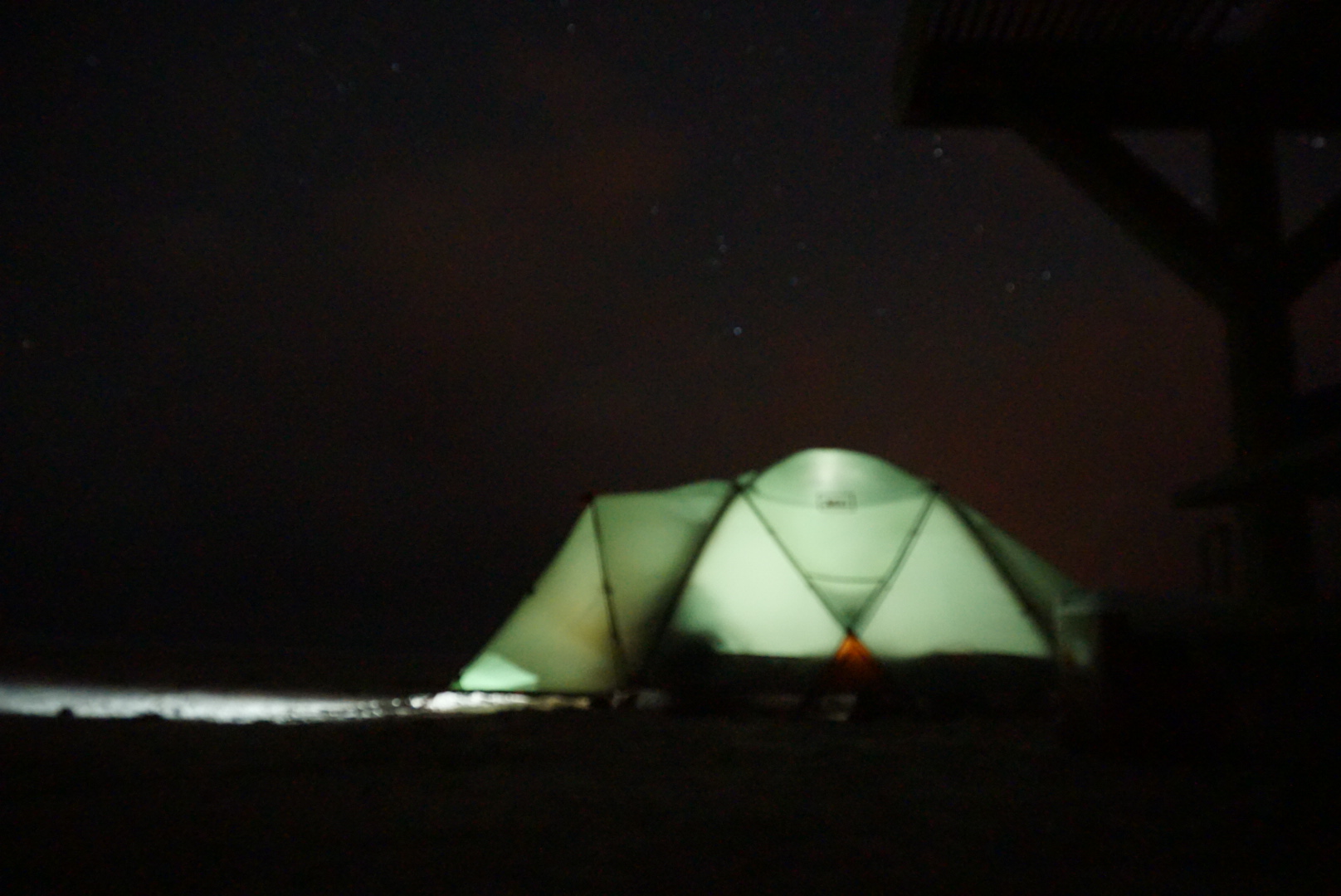
I go and live outdoors because I want to get away from the noise of city life. To go where you can feel the sound of the breeze unaltered. To go where the sky is not polluted by man-made lights. Where the moon when full, rules majestic, and when hidden, lets the stars and the milky way take center stage. I go where there are no buildings competing with nature’s landscape. So I get to relax my eyes and ears.

I go to know that I can make do with the little I have and still be happy. To escape the clutter of things. I cook only what I need to eat. I don’t need fancy clothes. I can eat from a metal plate. I am reminded that I don’t need a lot of things and I feel free.
If you compare yourself with others, you may become vain and bitter; for always there will be greater and lesser persons from yourself.

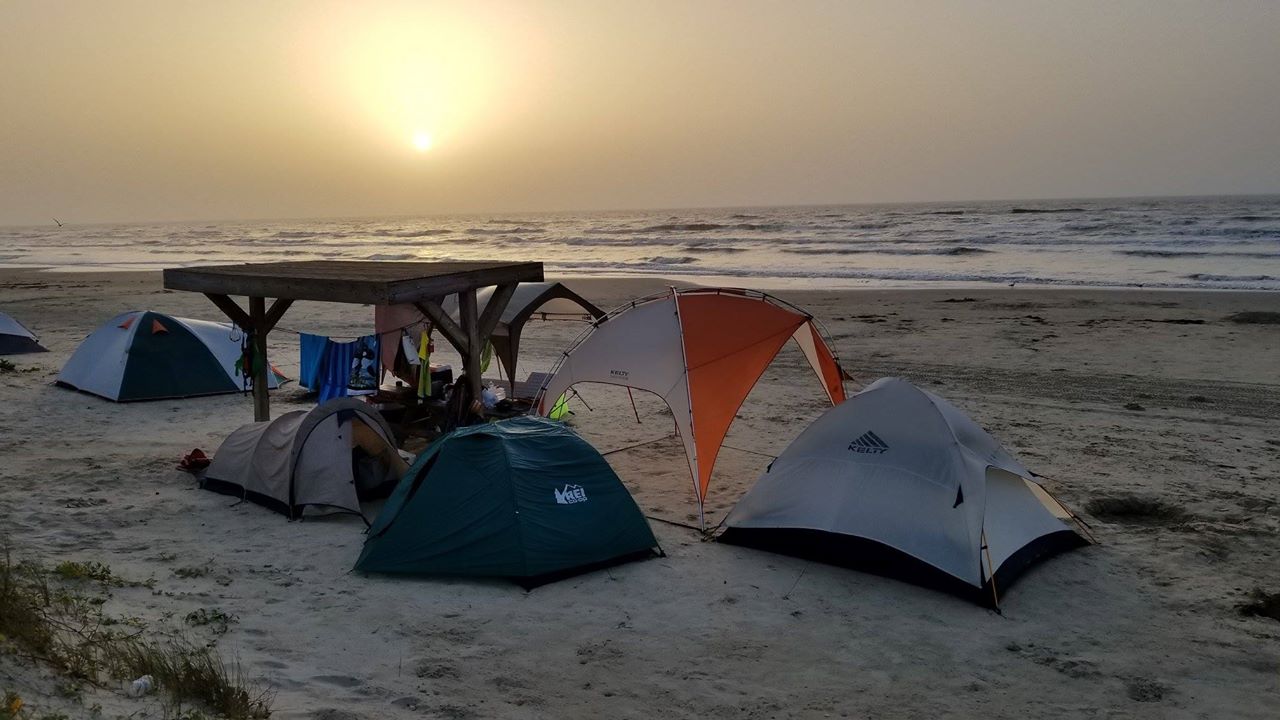
I go for the friendship, and to make connections. There are no cell phone signals, no TV, no wi-fi connections. The only connections made are the connections with family and friends. Each person has a a role and contributes to the well being of the camp regardless of their background. We talk, laugh, work together towards a meal and clean up afterwards. It builds teamwork. After being with the same people a few times, each person knows instinctively what needs to be done without saying anything. At the end of the day we gather around the campfire to share jokes and stories without judgement.

Be yourself. Especially do not feign affection. Neither be cynical about love; for in the face of all aridity and disenchantment it is as perennial as the grass.

I go because I like the planning and thinking that is involved in the logistics of a trip.
Enjoy your achievements as well as your plans.

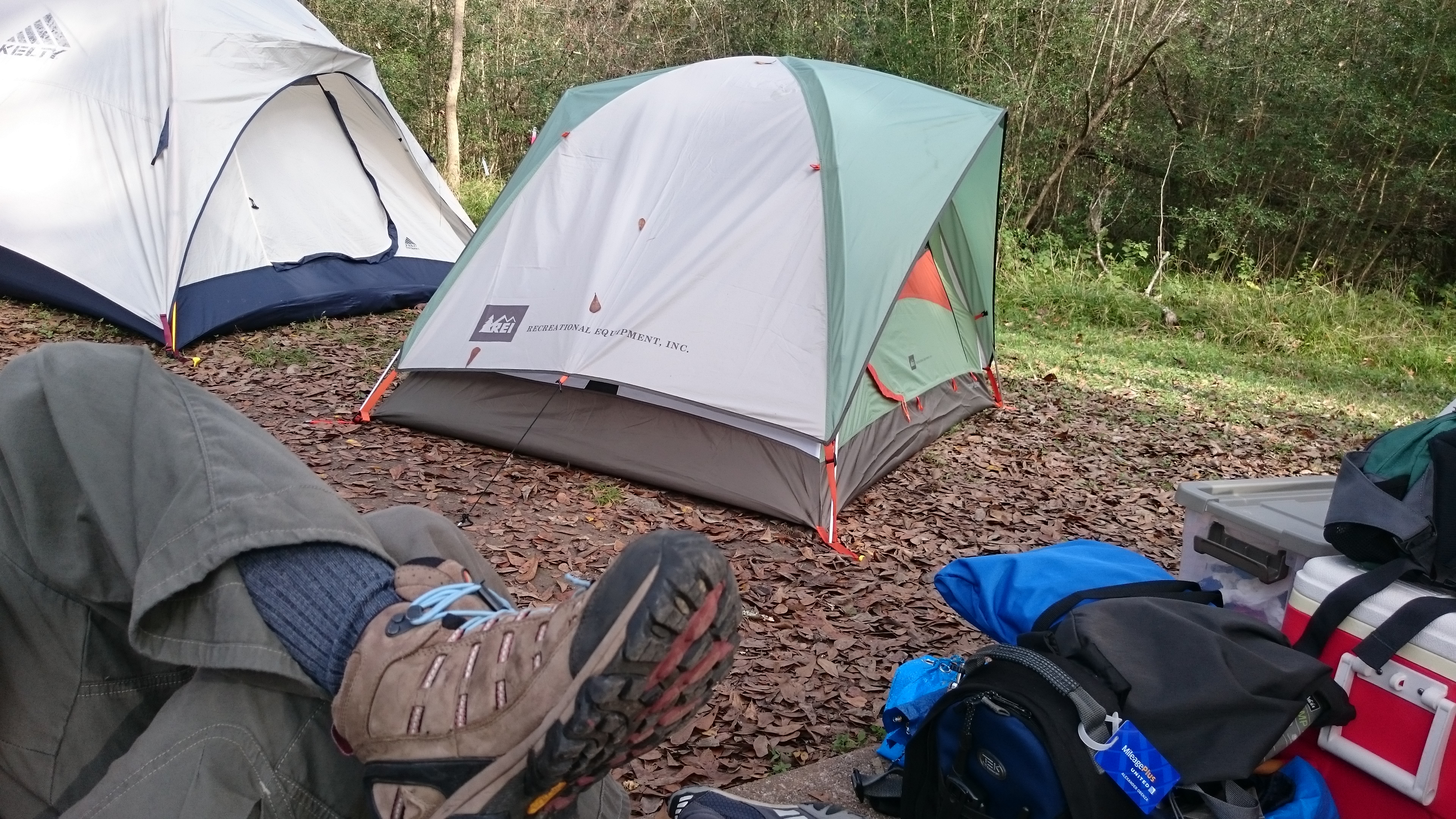
I go to have fun but at the same time welcome the entropy that governs all things and to be with people who are willing to welcome it in good spirits. There are days with rain, days with bugs, days with thick clouds, days when the food burns, your tent gets wet, your clothes get wet, your tent collapses or gets blown away. Many things can go wrong because they are not tailor-made and wrinkle-free days. It may be that those mishaps may even be the days that will be well-remembered with a smile because we made it and had a laugh.
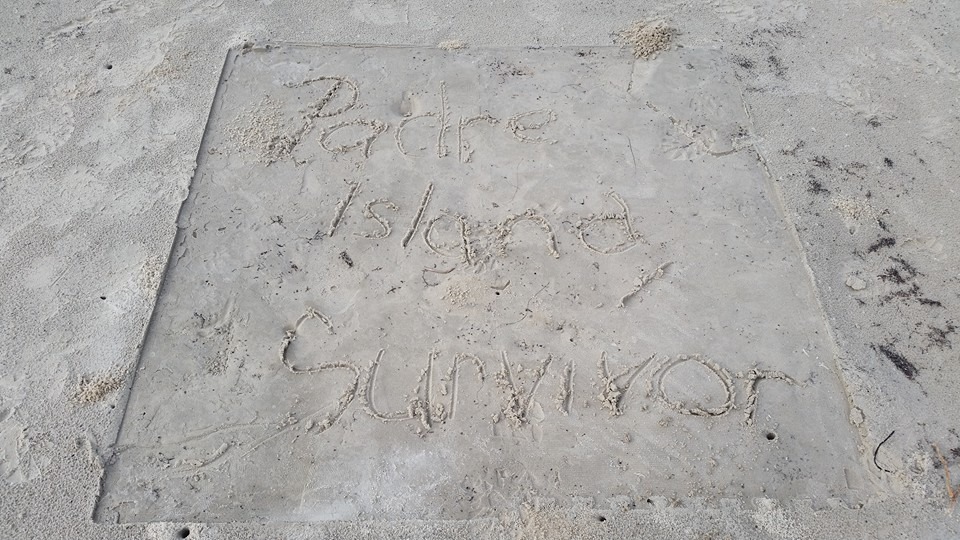
Aftermath of a thunderstorm. A tent once stood here. This one says “Padre Island Survivor”

Nurture strength of spirit to shield you in sudden misfortune. But do not distress yourself with imaginings. Many fears are born of fatigue and loneliness.

I go to discover new places. But I also revisit the places I have been to before, because each time, there will always be something unique. A stronger breeze so it took longer for the food to cook. The air may be colder. An animal sighting. A flock of birds overhead. A passing thunderstorm. A new path to hike. A full moon. A meteor shower. A dark sky filled with stars. Spring, summer, fall, winter.
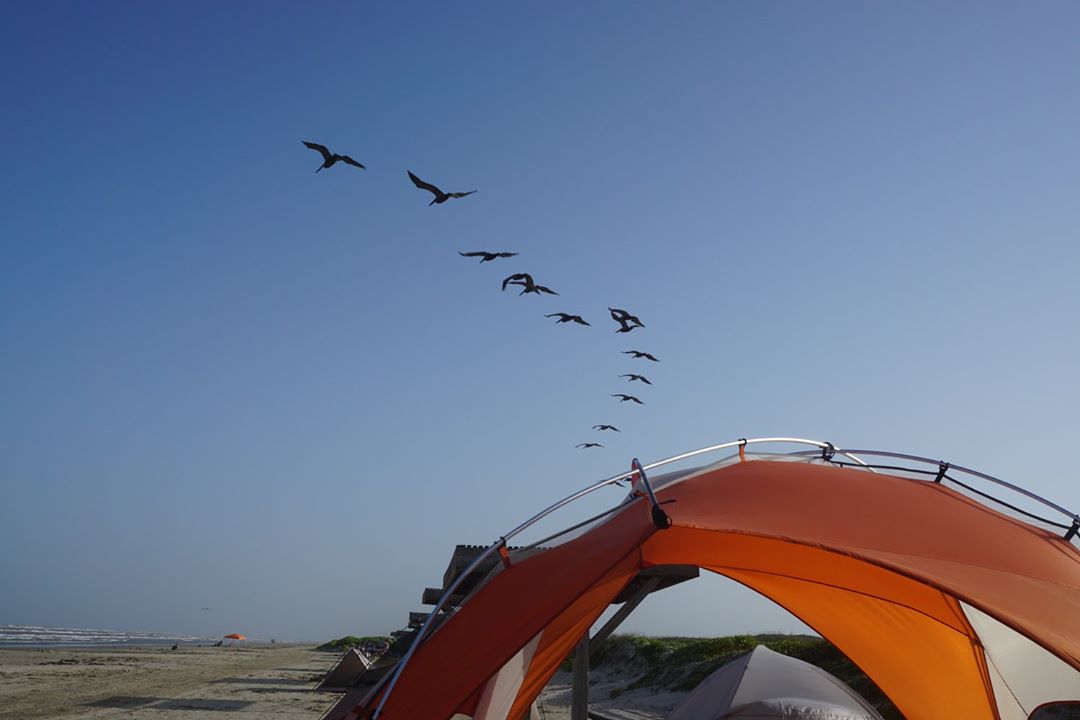
And whether or not it is clear to you, no doubt the universe is unfolding as it should.

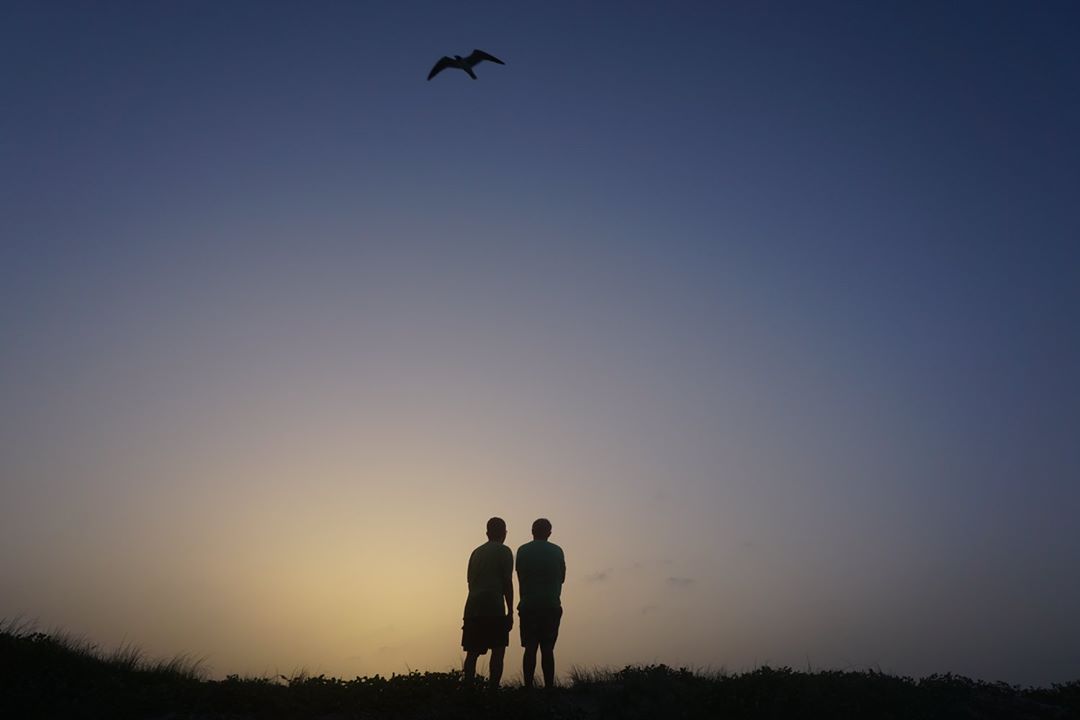
I go to spend time with my family. It is time spent unencumbered. I go to be with my son during his youth before he goes off on his own path. I can always rewind back to the memory when I saw him learn how to pitch his own tent and put it away afterwards. I was with him gazing at the night sky, learning from him as he identified the constellations and talk about the mysteries of the universe. It was better than staying home and watching the shows on the National Geographic channel. And then I saw him learning more about life from other adults in the camp.

You are a child of the universe, no less than the trees and the stars; you have a right to be here.

I go because it is good for the soul.
And while I still have the strength to go.

Whatever your labors and aspirations in the noisy confusion of life keep peace with your soul. With all its sham, drudgery and broken dreams it is still a beautiful world.
Learn more:
https://www.templeton.org/discoveries/the-science-of-awe

https://www.childrenshospitaloakland.org/main/news/-ucsf-benioff-childrens-hospital-oakland-researche-423.aspx

I Am Not Afraid of Anything

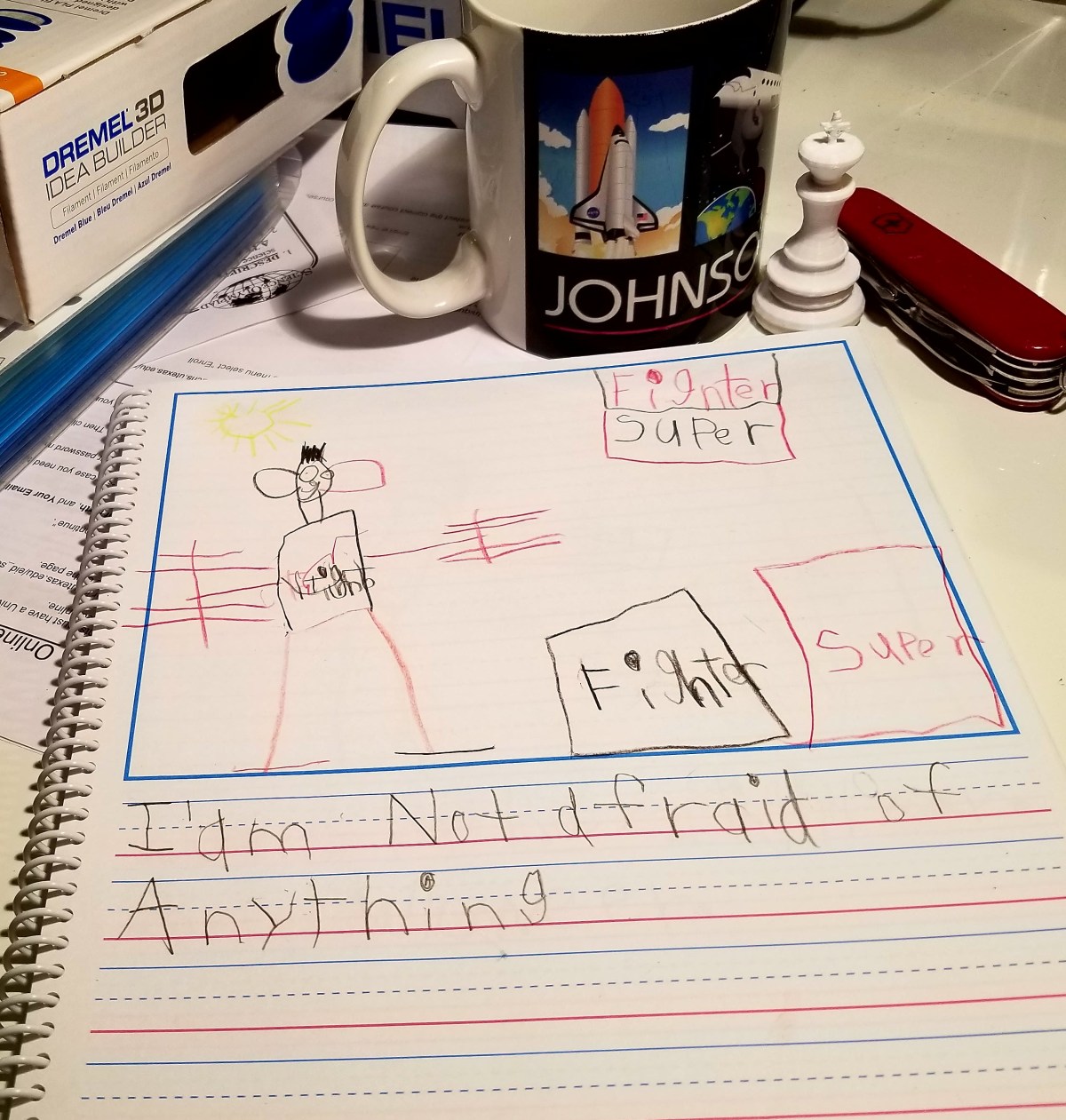
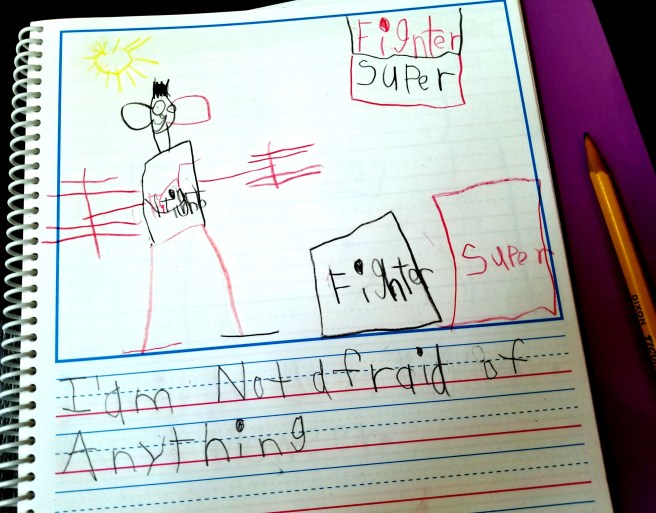
My son drew this when he was about five. He must have been in kindergarten. It made me smile when I chanced upon it rummaging through boxes. For me, it is remarkable that a five-year-old will declare that he is fearless. Fearless! It was a time when he believed in Jedi knights and proudly told other kids that his father was a Jedi. He is eighteen now and I just sent him off to college. I hope he will approach this new milestone with the same fearlessness. In kindergarten he was curious and he was unafraid to explore and ask questions. One incident during that time stands out in my mind. He punched a boy next to him in school. He had never done anything like that in his young life. He told us that the boy was being mean and he would not stop even after he already told him to stop. Well, after punching the boy, he disappeared. Teachers searched for him frantically around the school. Not one of them thought about looking for him in the principal’s office. But there he was, sitting and waiting for  the person with the highest authority in the school. My husband and I knowingly looked at each other while the teacher was telling us all this. Out of view from the teacher, we looked at each other and laughed. We knew what he did, he turned himself in at the principal’s office! He stood by what he had done and he was unafraid to face the consequences.

Building up the internal security that will help children cope with stress starts with the baby brain. Baby brains are actively making millions of synaptic connections like a computer in the process of writing and rewriting computer codes.  It is writing the codes by which it will function, thrive, and process new information.  But the baby brain is not a blank slate, babies are born already with the ability for self-regulation in order to survive. They are able to respond to the external world. The environment plays a huge role as to what codes are written or not written in the growing brain. The codes written in the brain during the early years are very important. Will it run smoothly? Will it be error prone? I certainly hope it will not be prone to crashes. Research on brain development in animals have shown that affectionate caretaking and a rich environment increases synaptic connections. That baby brain will have good programming if it receives supportive and responsive caregiving.

The formation of a secure attachment to the parent or caregiver is one of the initial tasks in child development. It is a process that occurs throughout infancy and the toddler years. Consistent affectionate and responsive caregiving is important for infants in order to develop internal security and normal attachment. This feeling of love and feeling of welcome into the world will translate to individuals who are not afraid to explore and take risks. These individuals will have a well of resilience they can draw from when faced with challenges. These individuals will be able to build healthy relationships because they learned to trust and love others.

” The relationships children have with their caregivers play critical roles in regulating stress hormone production during the early years of life. Those who experience the benefits of secure relationships have a more controlled stress hormone reaction when they are upset or frightened. This means that they are able to explore the world, meet challenges, and be frightened at times without sustaining the adverse neurological impacts of chronically elevated levels of hormones such as cortisol that increase reactivity of selected brain systems to stress and threat. “

(National Scientific Council on the Developing Child. (2005/2014). Excessive Stress Disrupts the Architecture of the Developing Brain: Working Paper 3. Updated Edition. http://www.developingchild.harvard.edu)

Instinctively, majority of parents want nothing more than to love and care for their babies. However, there are factors that may affect caregiving. It may be internal problems in the family such as mental illness or abuse. It may be poverty or lack of education. It could be as far reaching as war, desperate conditions that force families to seek refuge in neighboring countries. Many people may not make the connection but child development and the importance of affectionate caregiving is currently in the front and center of national news. The appalling conditions of detained migrant children and their forced separation from their parents should make us think about the damage being inflicted by these conditions to the developing brains of these young children. More than the short term effects of deprivation of basic physical needs, it is shocking to think about the long term emotional and mental effects these conditions will bring to these children. What type of images will they draw 3-4 years from now? I don’t think it will be that of smiling faces in front of a house with the sun shining in the background. It will not be a proud super hero stick figure of themselves with the sun shining on them. I hate to think about what images they will draw for us.

A few days ago I gave my son a hug and watched him walk towards his dorm. I thought about his drawing years ago and I know he will be alright. At work, I continue to be amazed whenever I see toddlers freely exploring, looking back at mom or dad for censure or approval, and then looking forward and determined to go on his own. Unsure, yet still daring to run away and explore. To some, it may be an ordinary sight, maybe even distressing, but it still gives me  goosebumps. Although the young toddler does not have the words yet, his body speaks– “I am not afraid of anything.” It is a beautiful sight.

from the Bernard van Leer Foundation (short clips from the documentary “The Beginning of Life”). For more information visit:
https://bernardvanleer.org/articles/the-beginning-of-life-short-clips/

Thinking about the Baby Brain

I am fascinated by the neuroplastic young brain and it has inspired me to create this blog. This blog was also inspired by my need to create. I have been a pediatrician since before my son was born. He is off to college now and part of my inspiration for this are the memories of his childhood years. Of late, I spend many mind-numbing hours dedicated to clicking and entering data in the electronic medical record. It is a big factor in the continued rise in burnout among physicians. Expressive writing, along with other creative pursuits, have been known to help people heal. My work leaves me no room to create anything. I wanted a place to heal from the numbness of “high tech” medicine. I wanted a way to focus my mind. I was initially going for watercolor painting, but I have decided to put it off for another time. So this is what I have decided to do. Our brains, in whatever stage of life it is in, needs continual nurturing, more so in the first years of life when it is growing rapidly. When I hear the word nurture, I think of babies, so I called it “Dear Baby Brain”.

The WHO defines health as: “a state of complete physical, mental and social well-being and not merely the absence of disease or infirmity”. Given that perspective, ill health is not just a matter of an agent or pathogen causing a disease but the world surrounding that person has as much to do with the causation, the course, and the aftermath of a disease or health condition. I went into pediatrics because I wanted to treat childhood illnesses. Nowadays, most of the illnesses that we see in the outpatient clinic are self-limited and only require reassurance and observation. I now see more “well” children in different stages of development and have become more interested in childhood development. I work in a clinic that cares for the under-served segment of the population and those who cannot afford health insurance. I am astounded to find a large number of children with language delay. Although there are genetic factors that influence the development of language, the environment has a huge effect specially during the rapid growth and development of the brain in the first three years of life. There is so much that can be done to nurture development in early childhood. I now see my job in general pediatrics as a partner of nurturers. Who are nurturers of that child? At least in this western capitalist society, nurturing the brains of our children seems to be thought of as the job of parents and teachers. Tom Weisner, a professor of anthropology and psychiatry at UCLA asked the question:

What is the most important influence for child development?

The most important thing you could do would be to decide, or think about: “where in the world is that child growing up?” All the things that we think of about the child depend on the context in which the child and its family are living: what family, what neighborhood, what community, what nation-state.

Weisner, Thomas S. 2016. “What is the most importance influence on child development?”. TEDx UCLA talk. 

He goes on to say that unlike western industrialized democratic societies, in many societies around the globe:

Kids are raised by a lot of different people. Care is socially distributed. Children are very securely attached, but they’re attached to a social setting, a family and other members that help take care of them.

The minuscule time that I have with patients and their families barely touches their lives. Although I educate families and try to help as much as I can by connecting them to available resources, there are various limitations in this one-on-one physician-patient relationship because essentially, health is tied to so many different aspects of our environment and our society. Recently, I saw a 2-year-old child with speech delay. I learned that both parents were working. The parents tag team; the father works at night and the mother works in the day. When they are home, they are too exhausted to engage their child so for six hours a day the child was watching videos in the smart phone. Why do both parents need to work? Why can’t they afford daycare? Why is this child without health insurance? What is the educational background of his parents? Why don’t they have books in their house? What resources does this family have? In this part of the world, it seems to me that families are more and more isolated. As families leave the places they grew up in to find better jobs and safer places to live in, they lose the kinship of extended families. If that family was in another part of the world, he would be part of a community or an extended family and he would be attached to other adults and will be playing with other children and interacting with other adults and observing his social milieu instead of playing with a smart phone for 6 hours a day. He was born in a part of the world where you pay for childcare and where you schedule play dates.

We look up to parents and educators as the obvious group that influence child development but we all eventually find ourselves in contact with children. We all create the environment where baby brains are nurtured (or not) and we all have a stake in ensuring the proper development of all children. Hence, we are all nurturers of the developing brain. We are all in a position to contribute and benefit, directly or indirectly, in whatever role we find ourselves–an aunt or uncle, a grandparent, a business owner, a public servant, a neighbor, a church member, a concerned citizen.

Setting aside my selfish reasons in creating this, I hope you can get something out of it. Maybe I can connect with like-minded people through this blog. Maybe I can get you thinking about your nephew, a child next door, and about the bigger picture that directly or indirectly affect the children around you. Maybe it may make you pick up a book and read to a child at home or in the public library. Maybe you might do some things differently as a parent. Maybe you might think about supporting an organization that promote child development. The more I delve into this, the more I realize that there is so much to learn. There is so much information out there. You can shrink it to the level of brain molecules or expand it to a whole society or continent where children live. All of it about nurturing the developing brain. This is a journey. I am constantly learning, and I hope you can learn with me as well.

I wish you all good thoughts!